Self-Care for Busy Women: 12 Small Habits That Make a Real Difference
 Noah Orono
Ten weeks is long enough to see real changes in strength, fitness and how you feel, and short enough to stay motivated. Whether your goal is to lose weight, get stronger or simply feel fitter, this plan shows how to structure your training, nutrition and recovery so the results last beyond the challenge.
1. Set clear, measurable goals
Decide what you want to achieve and make it specific: walking 10,000 steps a day, doing ten full push-ups, losing a few inches from your waist, or lifting heavier weights. Clear targets keep you focused, and smaller milestones along the way give you wins to celebrate.
2. Build a balanced weekly workout plan
Health guidelines recommend at least 150 minutes of moderate aerobic activity a week plus strength training on two or more days. A simple weekly structure:
- Cardio, 3–4 sessions of about 30 minutes: brisk walking, cycling, swimming or jogging.
- Strength training, 2–3 sessions: focus on compound movements such as squats, lunges, push-ups (on your knees or against a wall to start), rows and deadlifts or hip hinges. Do 2–3 sets of 10–15 repetitions.
- Core work, 2–3 times a week: planks, dead bugs and bicycle crunches for stability and posture.
- Flexibility and mobility: stretching or yoga a couple of times a week.
- Rest: at least one or two full rest days.
3. Progress gradually
Your body adapts to the work you give it, so increase the challenge step by step: add a few minutes to cardio sessions, add a set, or use slightly heavier weights every week or two. Small, steady increases prevent plateaus and reduce injury risk. If you are new to exercise, a session or two with a qualified personal trainer can help you learn good form.
4. Eat to support your training
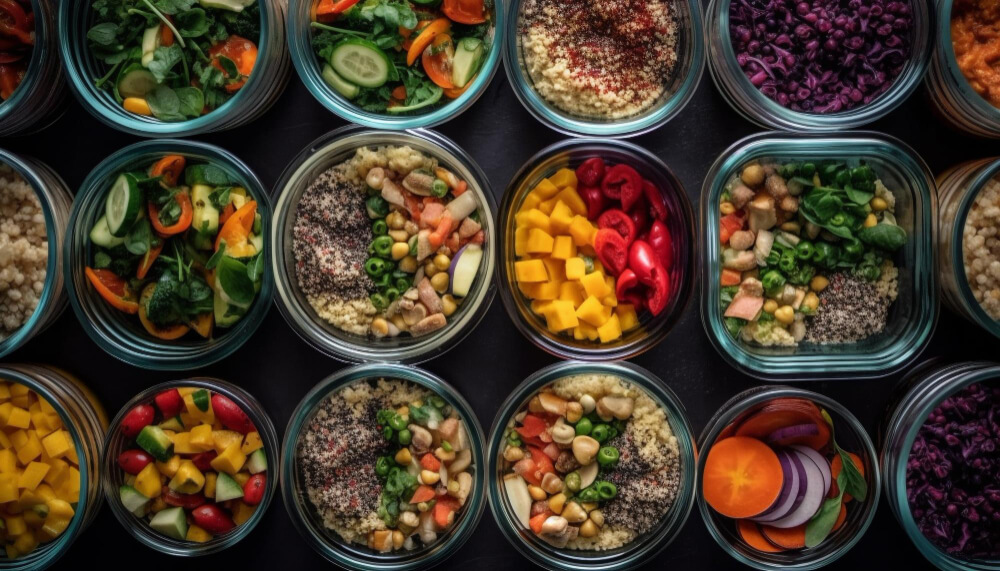
- Base meals on lean protein, vegetables, fruit and whole grains.
- Cut back on sugary drinks and highly processed foods; drink water or unsweetened tea instead.
- Keep portions in check and plan meals ahead so healthy food is ready when you are busy.
5. Stay active outside your workouts
Everyday movement adds up. Take the stairs, walk during phone calls, and fit in activities you enjoy such as hiking, swimming, dancing or a game with friends.
6. Stay consistent and motivated
- Schedule workouts like appointments.
- Find a workout partner, class or online community for accountability.
- Keep a fitness journal: log workouts, and track measurements and progress photos every couple of weeks.
- Don’t let one missed session derail you. Just get back on track with the next one.
7. Prioritize rest and recovery
Muscles get stronger while you recover, not while you train. Build in rest days, aim for 7–9 hours of sleep, and ease off if you feel unusually sore, tired or achy. Overtraining raises your risk of injury and burnout.
8. Review and adjust
Check your progress every few weeks. If results stall, adjust your training intensity or your nutrition. As you get fitter, your plan needs to evolve too.
9. Celebrate, and keep going
At the end of ten weeks, compare where you started with where you are now: strength, stamina, energy, sleep, measurements and confidence. Use that progress as the foundation for a long-term routine.
If you have a health condition, are pregnant, or have been inactive for a long time, check with your doctor before starting a new exercise program.

I'm Noah Orono, founder and editor of Health Eden. I write about skincare and healthy aging, strength and weight management, and women's health from your 30s into midlife and beyond. Every guide starts with published research and guidance from dermatologists, doctors and certified trainers, then turns it into clear, practical steps. I'm not a medical professional, so I'll always tell you when something is worth raising with your doctor.
More about Health Eden →