Self-Care for Busy Women: 12 Small Habits That Make a Real Difference
 admin
Portion sizes have grown steadily over the decades, from restaurant meals to packaged snacks, and larger portions make it easy to eat more than we need. Learning to manage portions is one of the most practical skills for sustainable weight loss, and it does not mean going hungry. These are the strategies that work in everyday life.
Why portions matter
When food is served in bigger amounts, most people eat more of it without feeling any fuller. Over time, those extra calories add up. Recognizing what a sensible portion looks like is the first step to eating the right amount for your body.
Use the plate method
The plate method is the simplest visual guide to a balanced, portion-controlled meal:
- Half the plate: non-starchy vegetables such as leafy greens, broccoli, peppers or green beans.
- A quarter: lean protein such as chicken, fish, tofu, eggs or legumes.
- A quarter: whole grains or starchy foods such as brown rice, quinoa, whole-wheat pasta or potatoes.
Filling half the plate with vegetables keeps calories in check while adding fiber and volume, and the protein helps you feel satisfied. Use a standard-sized dinner plate rather than an oversized one, and go easy on added fats and sauces.
Learn visual portion cues
When you can’t measure, use everyday comparisons:
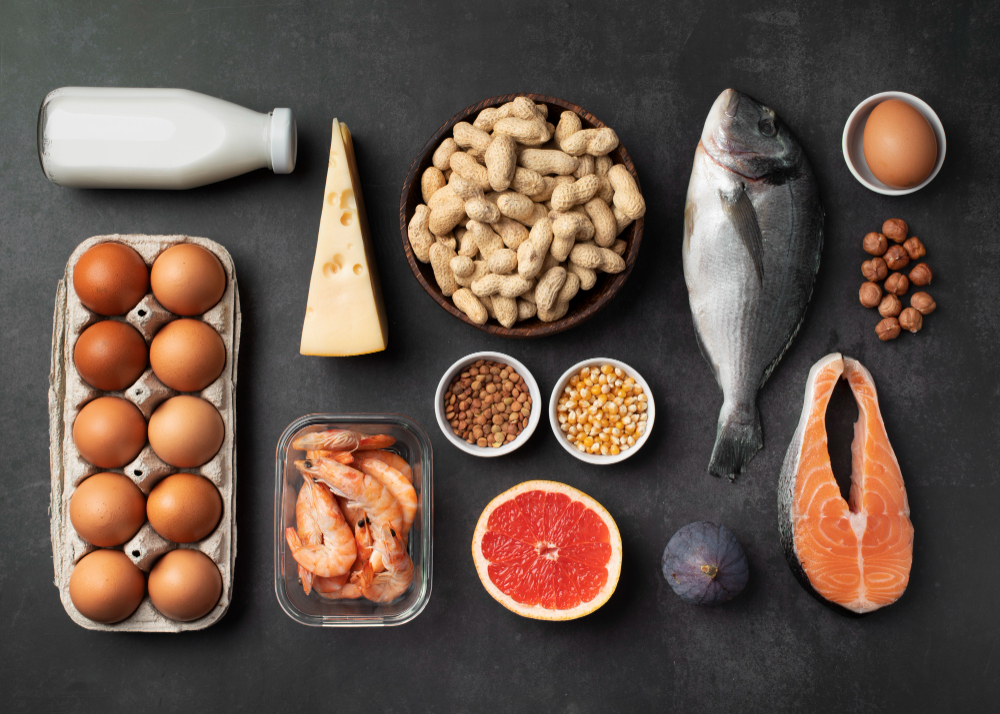
- Meat, chicken or fish: about the size of a deck of cards.
- Cooked pasta, rice or grains: about a cupped handful.
- Cheese: about the size of two dice.
- Nuts or nut butter: a small handful, or about a thumb-sized amount of nut butter.
Using measuring cups or a kitchen scale for a week or two is a good way to calibrate your eye. Serving sizes on nutrition labels are another useful reference.
Everyday portion control habits
- Use smaller plates and bowls so a sensible portion looks generous.
- Never eat from the package. Serve snacks into a bowl and put the rest away.
- Pre-portion snacks such as nuts, crackers or fruit into small containers for grab-and-go options.
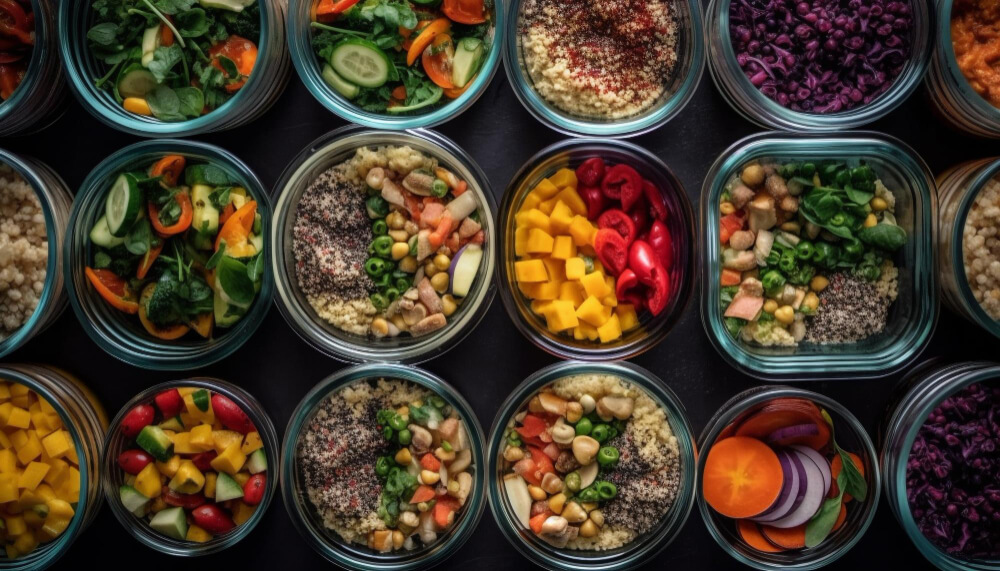
- Meal prep lunches and dinners into individual containers at the start of the week.
- Eat slowly and mindfully, stopping when you are comfortably full.
- Enjoy treats in moderation rather than banning them, which often leads to overeating later.
Portion control when eating out or ordering takeout
- Share a main dish, or order a starter-sized or half portion.
- Ask for a to-go box when the meal arrives and set aside half for later.
- Choose grilled, baked or steamed dishes over fried ones.
- Ask for dressings and sauces on the side and use them sparingly.
Lighter cooking at home
Small recipe changes make portions lighter without less food on the plate. Use less butter and oil, add extra vegetables or lean protein to dishes, and choose grilling, baking, roasting or steaming over frying.
The bottom line
Portion control is about awareness, not deprivation. Use the plate method, learn simple visual cues, set up your environment with smaller plates and pre-portioned food, and stay mindful when eating out. Together, these habits make it easier to eat the right amount and keep weight off for the long term.