Self-Care for Busy Women: 12 Small Habits That Make a Real Difference
 admin
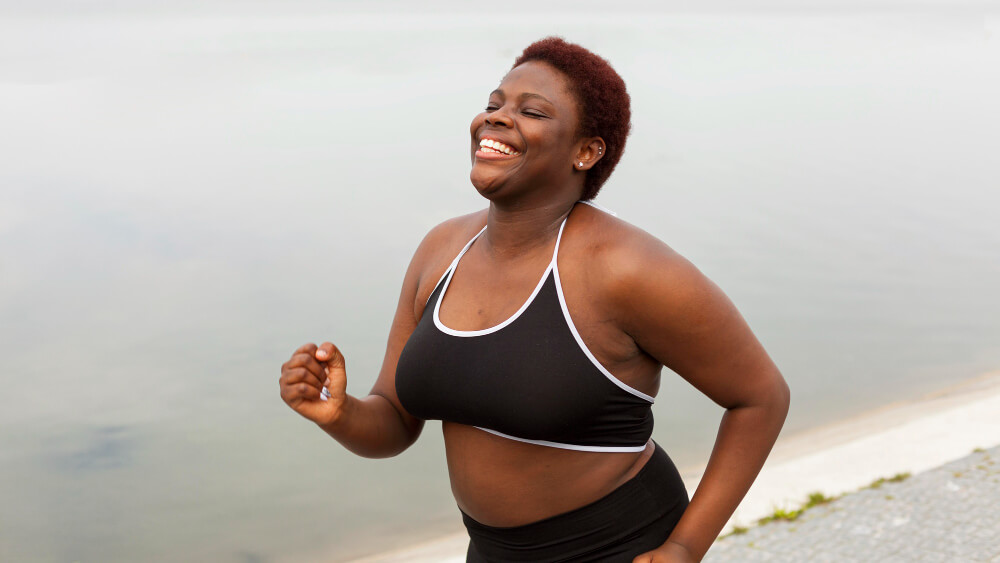
Walking is the most underrated weight-loss exercise. It’s free, gentle on the joints, needs no special skills and is easy to fit into a busy day. On its own, a walk burns a modest number of calories, but done regularly, at a brisk pace and combined with sensible eating, walking can make a real difference to your weight, fitness, mood and long-term health.
How walking helps you lose weight
Weight loss comes down to using more energy than you take in. A 30-minute brisk walk typically burns somewhere around 100–160 calories depending on your body weight and pace, and that adds up over weeks and months. Regular walking also helps you sleep better, manage stress and appetite, and stay active enough to keep weight off once you have lost it.
How much should you walk?
Health guidelines recommend at least 150 minutes of moderate activity a week, such as 30 minutes on five days. For weight loss, more tends to work better, so build gradually toward 45–60 minutes on most days if you can. Step counts are a useful alternative: if you currently walk about 4,000 steps a day, aim to add 1,000 steps each week rather than jumping straight to 10,000.
Walk briskly: the talk test
Pace matters. Brisk walking means you are breathing faster and can talk in full sentences, but you couldn’t comfortably sing. If you can sing, speed up a little; if you can’t speak, slow down.
Your 4-week walking plan
- Week 1 – Build the habit: walk 20 minutes on 5 days at a comfortable but purposeful pace.
- Week 2 – Add time: walk 30 minutes on 5 days. Make the last 10 minutes brisk.
- Week 3 – Add intensity: 30–40 minutes on 5 days. Twice a week, add intervals: 2 minutes fast, 2 minutes moderate, repeated 5 times.
- Week 4 – Add a challenge: 40–45 minutes on 5 days. Include one route with hills or stairs, and one longer weekend walk of 60 minutes.
After week 4, keep increasing either time or intensity a little every couple of weeks, and add two short strength sessions a week to protect muscle while you lose weight.
Ways to burn more on every walk
- Find a hill or use an incline: walking uphill raises the effort significantly without having to run.
- Use intervals: short bursts of faster walking increase the challenge and keep it interesting.
- Swing your arms: a natural, active arm swing helps you walk faster.
- Walk on varied ground: grass, trails and sand take more effort than pavement.
Walking indoors: treadmills and walking pads
Bad weather, early mornings and long workdays are the biggest reasons people skip walks. An indoor option removes the excuse. A treadmill with incline gives you hills on demand, while a compact walking pad fits under a standing desk so you can rack up steps during calls and emails.
Make walking a habit
- Schedule walks like appointments, ideally at the same time each day.
- Walk with a friend, partner or dog for accountability.
- Break it up: three 10-minute walks count just as much as one 30-minute walk.
- Track your steps or minutes with a phone or fitness tracker to see progress.
- Use podcasts or audiobooks to make longer walks enjoyable.
Don’t forget the food side
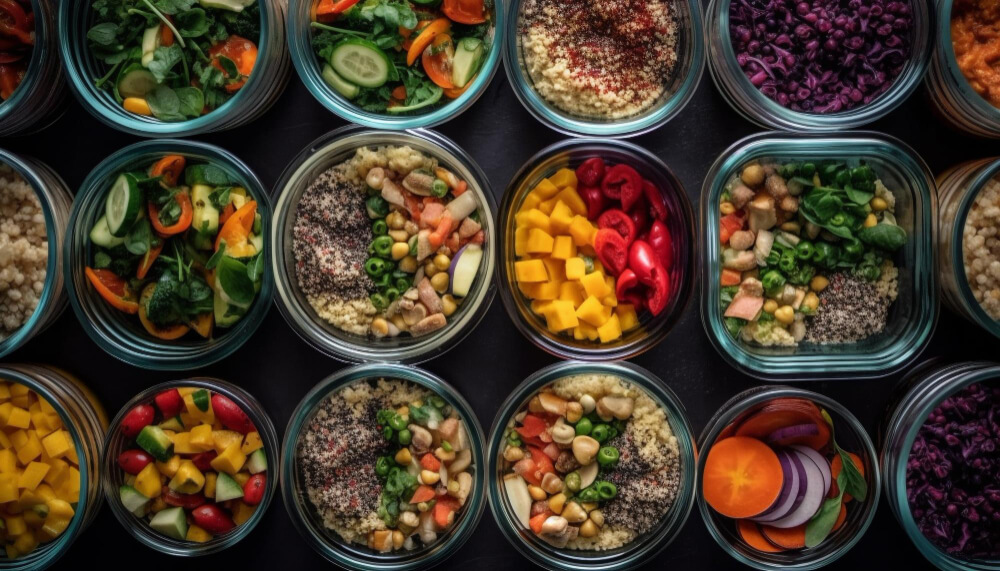
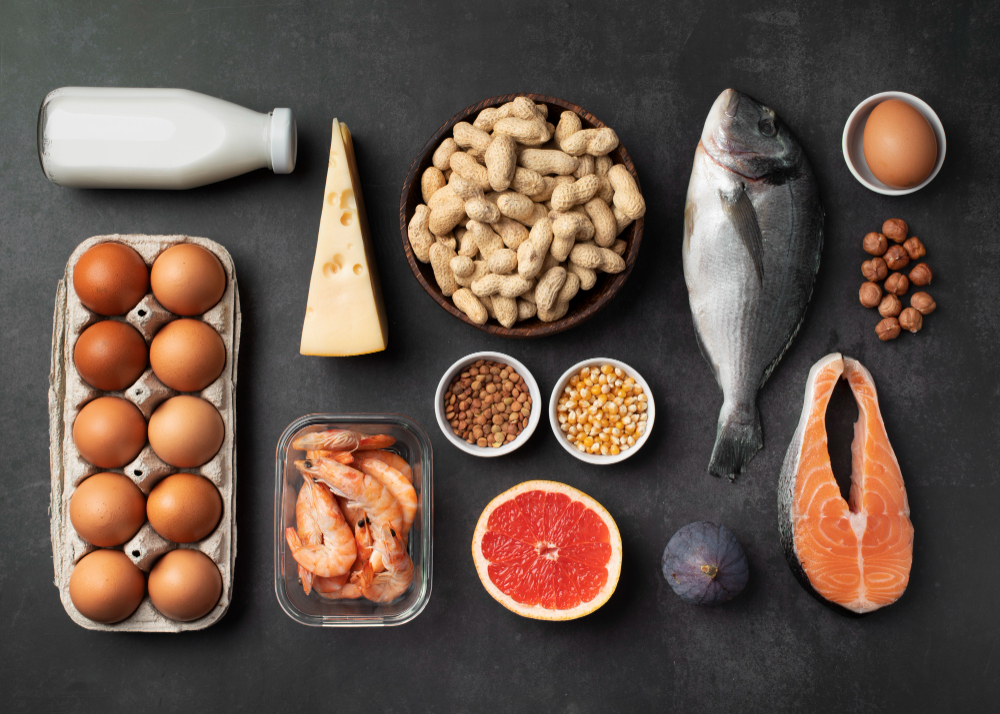
It’s easy to undo a walk with a large snack afterwards. Walking works best for weight loss alongside modest changes to what you eat: more vegetables and protein, fewer sugary drinks and ultra-processed snacks, and sensible portions.
Gear that makes it easier
Comfortable, supportive walking shoes are the one essential. Replace them when the cushioning wears down, usually every 300–500 miles. Add weather-appropriate layers and, for evening walks, something reflective.
Safety tips
Start gradually if you have been inactive, and check with your doctor first if you have heart, lung or joint problems. Stop and seek medical help if you have chest pain, unusual breathlessness or dizziness.
The bottom line
Walking is a simple, sustainable way to support weight loss. Walk briskly, build up gradually toward 45–60 minutes most days, add hills or intervals as you get fitter, and pair it with sensible eating. Consistency beats intensity, and the best walk is the one you will actually do.