Self-Care for Busy Women: 12 Small Habits That Make a Real Difference
 admin
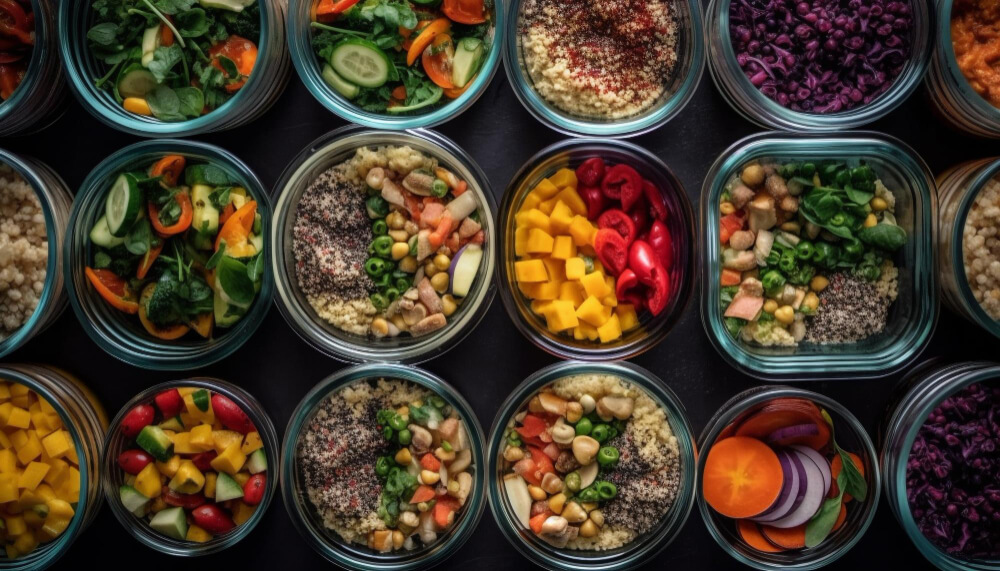
Finding time to cook healthy meals during a busy week is hard. Meal prep solves much of the problem: by spending a couple of hours once or twice a week preparing food in advance, you have balanced breakfasts, lunches, dinners and snacks ready when you need them. It saves time and money, makes portions easier to manage and cuts down on last-minute takeout.
Why meal prep helps with weight management
- Portion control: food is divided into set servings before you are hungry, so it is easier not to overeat.
- Fewer impulse choices: when a healthy meal is already in the fridge, you are less likely to reach for fast food or snacks.
- Less waste and spending: you buy only what your plan needs and eat out less often.
Step 1: Plan your week
Decide on your meals and snacks for the coming week before you shop. Build each meal around a lean protein, plenty of vegetables, a whole grain or other high-fiber carbohydrate and a small amount of healthy fat. Pick two or three recipes you can cook in bulk rather than a different dish every day.
Step 2: Shop smart
Turn your plan into a detailed grocery list and stick to it to avoid impulse buys. In the store:
- Start with fresh produce. Fruit and vegetables add vitamins, minerals and fiber for few calories. Frozen fruit and vegetables without added sauces or sugar are just as useful and keep longer.
- Read labels. Check the serving size, added sugars, salt and the ingredient list. Shorter lists of recognizable ingredients are usually a good sign.
- Choose whole grains. Look for “100% whole grain” or “whole wheat”, and stock up on oats, brown rice and quinoa.
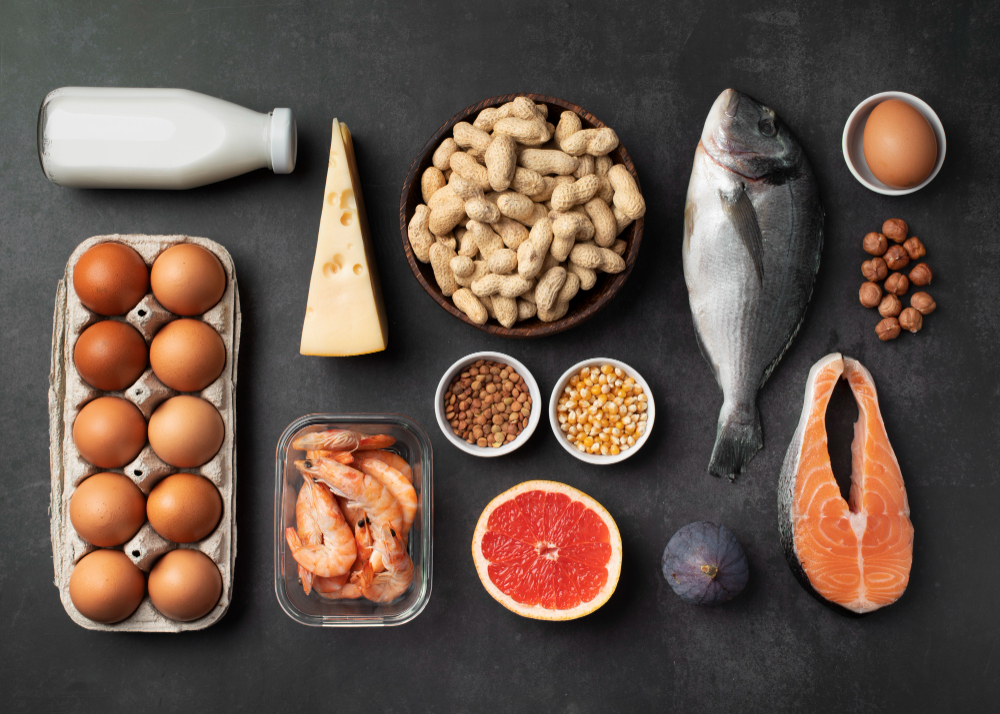
- Pick lean proteins. Chicken, turkey, fish, eggs, tofu, beans and lentils; limit processed meats such as sausages and deli meats.
- Go easy on ultra-processed foods, which tend to be high in added sugar, salt and unhealthy fats.
Step 3: Batch cook
- Cook grains such as quinoa or rice and proteins in large batches, then divide them between meals.
- Wash and chop vegetables as soon as you get home so they are ready to use.
- Let a slow cooker, pressure cooker or Instant Pot do the work while you get on with other tasks.
- Choose dishes that keep well: casseroles, stir-fries, soups and grain bowls.
Meal prep ideas
Make-ahead breakfasts
- Overnight oats: combine rolled oats, milk or a plant-based alternative, chia seeds and toppings in a jar and leave in the fridge overnight.
- Egg muffins: whisk eggs with chopped vegetables and seasoning, pour into a muffin tin and bake. They keep in the fridge for several days.
Packable lunches
- Mason jar salads: layer dressing, vegetables, a protein such as chicken or chickpeas, and greens on top. Shake before eating.
- Quinoa bowls: cooked quinoa topped with roasted vegetables, tofu or salmon and a flavorful sauce.
Quick dinners
- Sheet pan meals: toss chicken, salmon or tofu with vegetables and spices on one tray and roast.
- Baked salmon with roasted vegetables: season salmon fillets and bake alongside zucchini, cherry tomatoes and asparagus. Salmon is a good source of omega-3 fats, and the whole meal takes under 30 minutes.
- Quinoa stir-fry: sauté peppers, broccoli and carrots, add pre-cooked quinoa and season with soy sauce or spices.
- One-pot lentil soup: sauté onion and garlic, add vegetables, lentils, stock and herbs and simmer until tender. Lentils provide plant protein and fiber, and the soup freezes well.
- Slow cooker meals: add beans, lentils, vegetables and spices in the morning and come home to a ready dinner.
- Veggie egg scramble: eggs with spinach, mushrooms and peppers, served with wholegrain toast or greens.
Snacks and something sweet
- Energy balls: blend nuts, dates and nut butter, roll into small balls and refrigerate. They are calorie-dense, so portion them out.
- Veggie sticks with hummus: pre-cut carrots, celery, peppers and cucumber into snack-sized containers.
- Greek yogurt parfait: layer plain Greek yogurt with berries and a little granola.
Storage and portions
Invest in airtight, reusable containers so meals stay fresh through the week. Divide food into single servings as you pack it; a food scale or measuring cups help you learn what a sensible portion looks like. Most cooked meals keep for three to four days in the fridge, so freeze anything you plan to eat later in the week.
Overcoming common obstacles
- No time: start small by prepping just lunches, or two or three meals, and build from there.
- Worried about food spoiling: choose freezer-friendly recipes and freeze portions for later in the week.
- Boredom: rotate recipes and sauces every week or two.
- Low motivation: get the household involved so prep becomes a shared routine.
The bottom line
Meal prep makes healthy eating the easy option. Plan your week, shop from a list, cook in batches and portion your meals, and you will spend less time and money while staying on track with your goals.