Self-Care for Busy Women: 12 Small Habits That Make a Real Difference
 Noah Orono
If you only add one type of exercise after 50, make it strength training. From midlife onward, women gradually lose muscle, and bone density drops faster in the years after menopause as estrogen levels fall. Regular strength training is one of the most effective ways to slow both, and it makes everyday life easier: carrying shopping, climbing stairs, getting up from the floor and staying steady on your feet. The good news is that it is never too late to start, and you don’t need a gym.
Why strength training matters after 50
- Keeps muscle: muscle mass and strength decline with age. Training two or three times a week helps you keep and even rebuild it.
- Supports bones: weight-bearing and resistance exercise put healthy stress on bones, which helps maintain bone density.
- Improves balance: stronger legs and core reduce the risk of falls.
- Helps with weight management: muscle supports your metabolism and makes it easier to stay active.
- Lifts mood and sleep: regular exercise is linked to better mood, energy and sleep.
How much do you need?
Health guidelines recommend muscle-strengthening activity on at least two days a week, working all the major muscle groups, alongside about 150 minutes of moderate activity such as brisk walking. For most beginners, two or three 30-minute strength sessions a week, with a rest day in between, is a realistic target.
Before you start
Check with your doctor first if you have osteoporosis or osteopenia, a heart condition, high blood pressure, joint problems or a recent injury. If you have low bone density, a physical therapist can show you which movements to emphasize and which, such as deep loaded forward bending or twisting, to avoid.
The beginner routine
Warm up for five minutes with marching on the spot, arm circles and gentle leg swings. Then do 1–2 sets of 8–12 repetitions of each exercise. Choose a level where the last two or three reps feel challenging but your form stays good.
- Sit-to-stand (chair squat): sit on a sturdy chair, feet hip-width apart, and stand up without using your hands, then sit back down slowly. Works thighs and glutes, and mirrors a movement you use every day.
- Wall push-up: hands on a wall at shoulder height, step your feet back and lower your chest toward the wall. Progress to a kitchen counter, then to the floor on your knees.
- Glute bridge: lie on your back, knees bent, and lift your hips until your body forms a straight line from shoulders to knees. Strengthens hips and lower back.
- Resistance band or dumbbell row: pull a band anchored at chest height, or a light dumbbell from a hinged position with one hand on a bench, squeezing your shoulder blades together. Good for posture.
- Step-up: step onto a sturdy bottom stair, holding the rail if needed, then step down. Builds leg strength and balance.
- Overhead press: seated or standing, press light dumbbells or a band from shoulder height overhead.
- Calf raise: holding a counter, rise onto your toes and lower slowly.
- Bird dog: on hands and knees, extend the opposite arm and leg, hold briefly and switch. Works core and balance without strain on the neck.
Finish with a balance drill: stand on one leg for up to 30 seconds while lightly holding a counter, then switch sides.
How to progress
Muscles respond when the work gets gradually harder. Once you can complete 12 good-quality reps comfortably, make it a little more challenging: add a second or third set, use a heavier dumbbell or stronger band, slow the lowering phase, or move to a harder version of the exercise. Increase one thing at a time, every week or two.
Equipment worth having
- Resistance bands: inexpensive, portable and joint-friendly.
- A pair of light to medium dumbbells, or adjustable dumbbells that grow with you.
- A non-slip exercise mat for floor work.
Eat to support your muscles
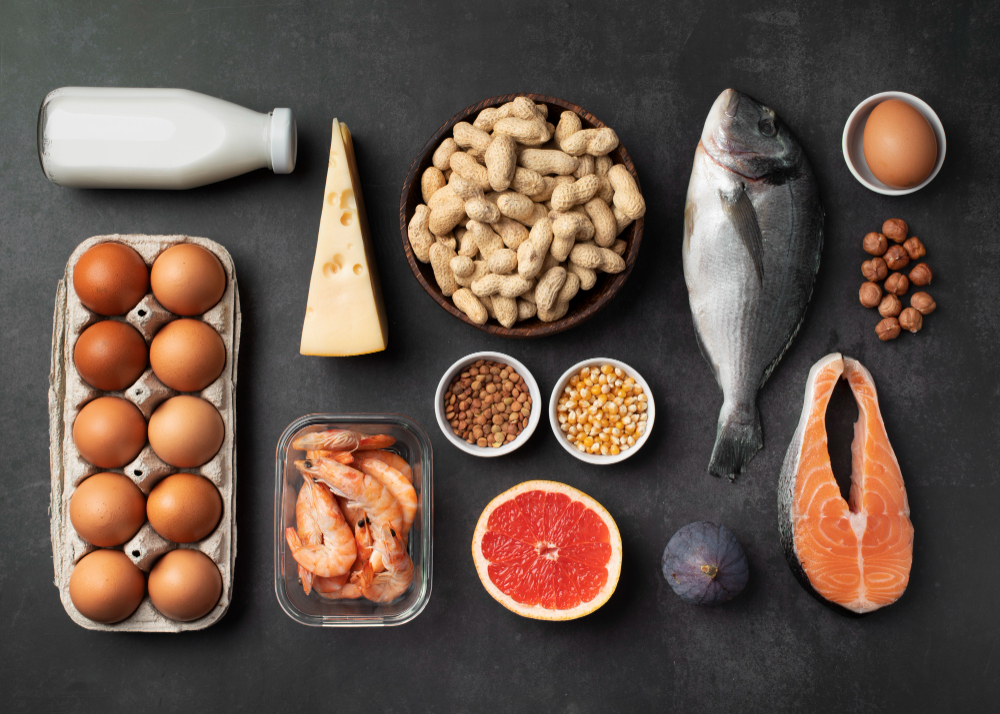
Muscle needs protein to repair and grow. Many experts suggest that older adults aim for a little more protein than younger people, spread across the day. Include a source such as eggs, Greek yogurt, fish, chicken, beans, lentils or tofu at every meal. Calcium and vitamin D also support bone health; ask your doctor whether you need a supplement.
Common questions
Will lifting weights make me bulky?
No. Building large muscles takes years of specialized training and eating. For most women, strength training leads to a firmer, stronger body and better posture.
How soon will I notice a difference?
Many people feel stronger and steadier within four to six weeks. Changes in muscle tone and bone health take longer, so consistency matters most.
What if I feel sore?
Mild muscle soreness a day or two after a new workout is normal and fades as you adapt. Sharp or joint pain is not: stop that exercise and get it checked.
The bottom line
Strength training is one of the best things you can do for your body after 50. Start with two short sessions a week, focus on good form, progress gradually and pair it with enough protein. Within weeks, everyday tasks will feel easier, and you will be investing in strong muscles and bones for the years ahead.

I'm Noah Orono, founder and editor of Health Eden. I write about skincare and healthy aging, strength and weight management, and women's health from your 30s into midlife and beyond. Every guide starts with published research and guidance from dermatologists, doctors and certified trainers, then turns it into clear, practical steps. I'm not a medical professional, so I'll always tell you when something is worth raising with your doctor.
More about Health Eden →