Self-Care for Busy Women: 12 Small Habits That Make a Real Difference
 Noah Orono
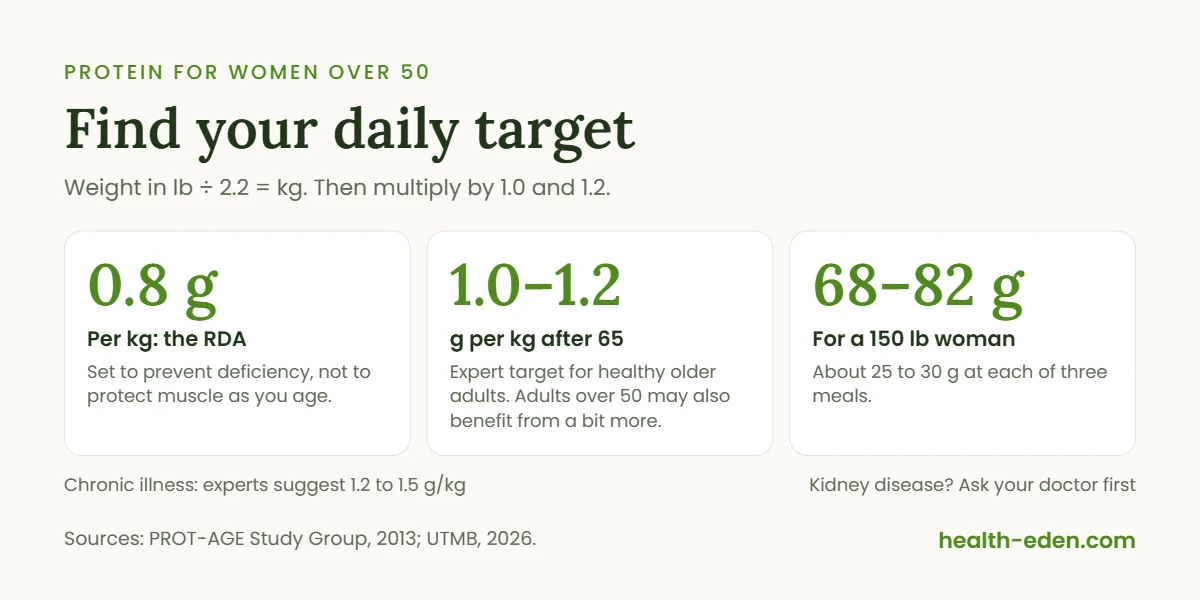
Many women over 50 may benefit from about 1.0 to 1.2 g of protein per kg of body weight a day, more than the standard adult recommendation of 0.8 g/kg. For a 150 lb (68 kg) woman, that is roughly 68 to 82 g a day. Spreading it across meals, about 25 to 30 g at each, and pairing it with strength training helps you hold on to muscle as you age.
Key takeaways
- The adult RDA of 0.8 g of protein per kg is set to prevent deficiency, not to protect muscle as you age.
- Experts recommend 1.0 to 1.2 g/kg a day for adults over 65, and adults over 50 may also benefit from modestly higher intake; older adults with chronic illness may need 1.2 to 1.5 g/kg.
- Aim for about 25 to 30 g of protein at each meal, rather than most of it at dinner.
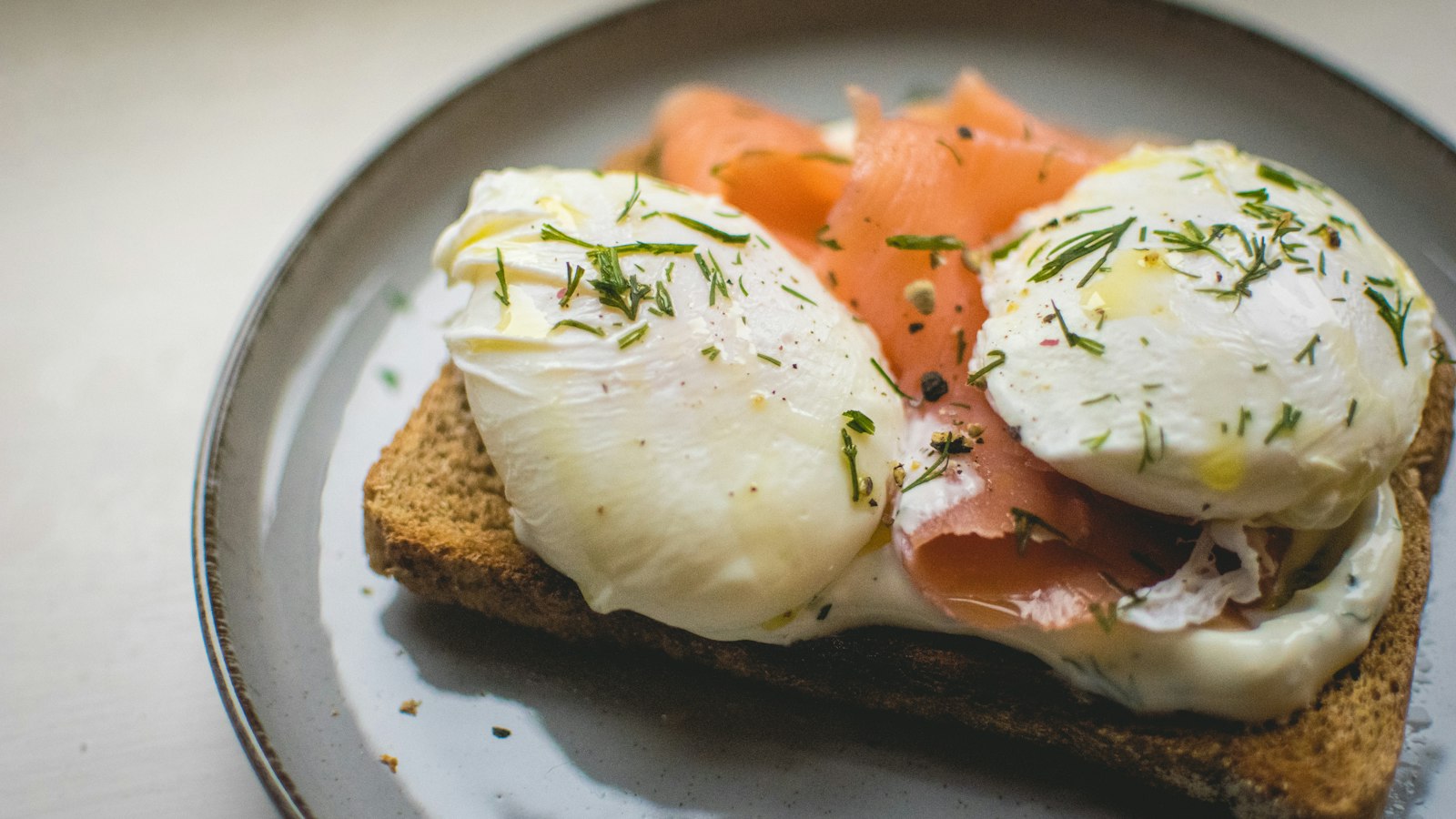
- Food comes first: eggs, Greek yogurt, fish, chicken, beans, lentils and tofu all count.
- Protein powder can help fill gaps, but a 2025 Consumer Reports test found lead in many products, so don’t rely on it daily.
- If you have kidney disease, talk to your doctor before increasing your protein.
Why protein matters more after 50
Muscle mass naturally declines with age. Harvard Health Publishing notes that adults who don’t do regular strength training can lose 4 to 6 lb (about 2 to 3 kg) of muscle per decade, and sarcopenia, the medical term for age-related loss of muscle mass and strength, affects nearly half of adults over 80.
For women, menopause may add to this. Research suggests that the drop in estrogen contributes to loss of muscle mass and strength. Less muscle means less strength for everyday tasks, a slower metabolism and a higher risk of falls.
Protein supplies the building blocks your body uses to repair and build muscle. Older muscles also respond less strongly to protein than younger ones, an effect researchers call anabolic resistance. That is one reason experts suggest older adults eat more protein, and spread it through the day.
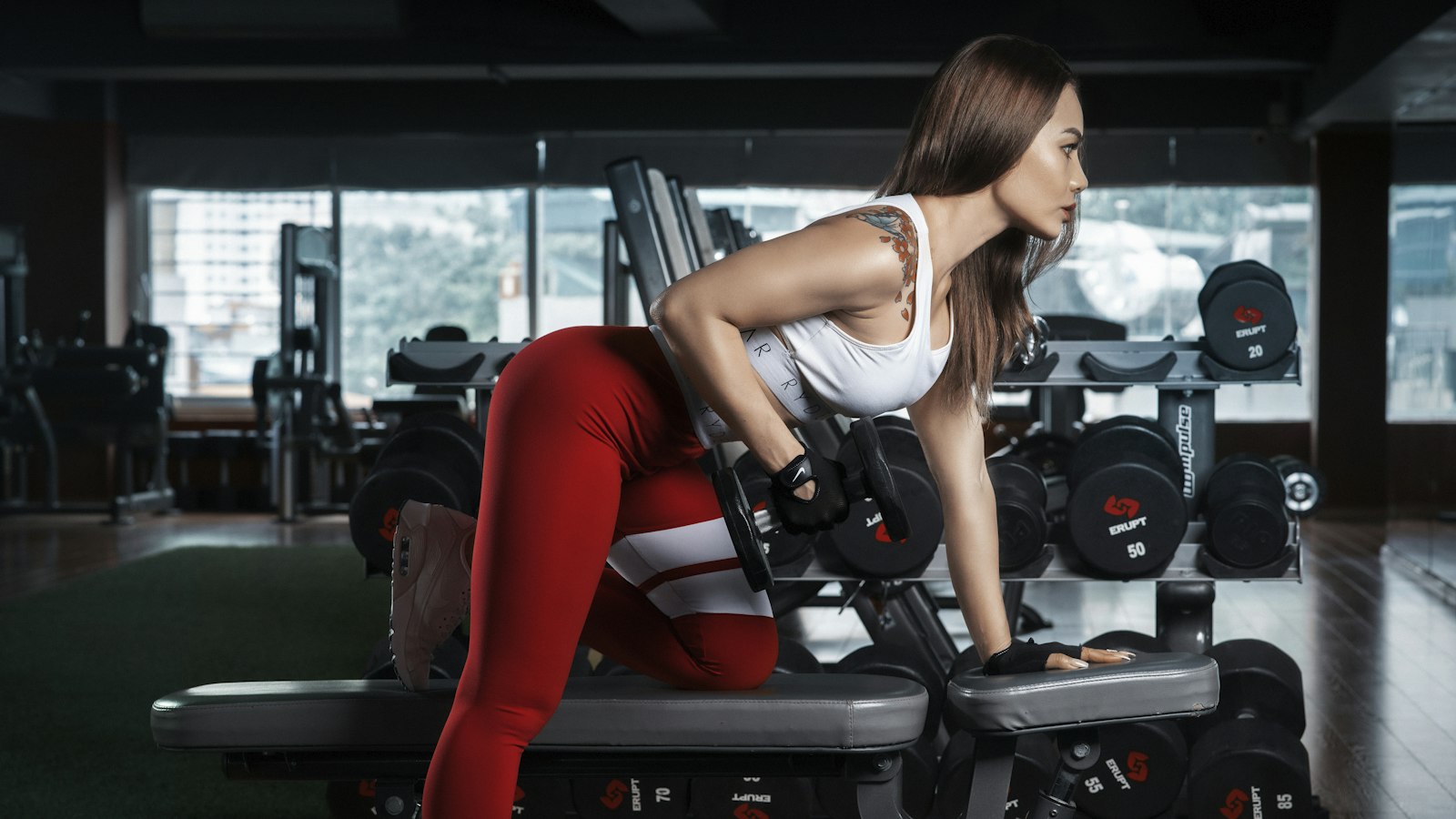
Protein works best alongside resistance exercise. Our guide to strength training for women over 50 shows how to get started safely.
How much protein do women over 50 need?
The Recommended Dietary Allowance (RDA) for adults is 0.8 g of protein per kg of body weight a day. As a September 2026 article from the University of Texas Medical Branch (UTMB) points out, this level is meant to prevent deficiency, not to optimize health.
Expert groups recommend more for older adults:
| Group | Suggested protein per day | Source |
|---|---|---|
| Healthy adults (RDA) | 0.8 g per kg | US Dietary Reference Intakes |
| Healthy adults over 65 | 1.0 to 1.2 g per kg | PROT-AGE Study Group, 2013 |
| Older adults with acute or chronic illness | 1.2 to 1.5 g per kg | PROT-AGE Study Group, 2013 |
These recommendations are for adults over 65, but UTMB notes that adults older than 50, people trying to lose weight and physically active people may also benefit from modestly higher protein intake. The evidence for this younger age group is more limited.
Your daily target in grams
To find your number, divide your weight in pounds by 2.2 to get kilograms, then multiply by 1.0 and 1.2.
| Body weight | RDA (0.8 g/kg) | Target range (1.0 to 1.2 g/kg) |
|---|---|---|
| 130 lb (59 kg) | 47 g | 59 to 71 g |
| 150 lb (68 kg) | 54 g | 68 to 82 g |
| 170 lb (77 kg) | 62 g | 77 to 93 g |
| 190 lb (86 kg) | 69 g | 86 to 103 g |
If you carry a lot of extra weight, your doctor or a dietitian may suggest basing your target on a healthier weight for your height rather than your current weight.
Spread it out: about 25 to 30 g per meal
When you eat protein matters as well as how much. UTMB notes that 25 to 30 g of protein per meal can help maximize muscle protein synthesis, the process of building new muscle, especially in older adults. Many people eat little protein at breakfast and most of it at dinner, which may be less effective.
A study of nearly 12,000 adults aged 51 and older, described by Harvard Health Publishing, found about 46% didn’t meet daily protein recommendations, so many women have room to add more.
The best protein sources for women over 50
Whole foods are the best place to start, because they bring other nutrients too, such as calcium, vitamin D, fiber and omega-3 fats.
| Food | Typical portion | Approximate protein |
|---|---|---|
| Chicken breast, cooked | 3 oz (85 g) | 26 g |
| Salmon, cooked | 3 oz (85 g) | 19 to 22 g |
| Canned tuna, drained | 3 oz (85 g) | 20 g |
| Plain Greek yogurt | 3/4 cup (170 g) | 17 g |
| Cottage cheese | 1/2 cup (113 g) | 12 g |
| Eggs | 2 large | 12 g |
| Lentils, cooked | 1/2 cup (about 100 g) | 9 g |
| Firm tofu | 1/2 cup (about 125 g) | 10 to 20 g, depending on brand |
| Milk or soy milk | 1 cup (240 ml) | 7 to 8 g |
| Almonds | 1 oz (28 g) | 6 g |
Protein amounts are approximate and vary by brand and preparation. Check labels where you can.
Plant-based eating
You can meet your protein needs on a vegetarian or vegan diet. Beans, lentils, tofu, tempeh, edamame, soy milk, nuts and seeds are all useful sources. Plant proteins are often lower in leucine, an amino acid important for muscle building, so eating a variety and slightly larger portions can help.
A worked example: 80 g of protein in a day
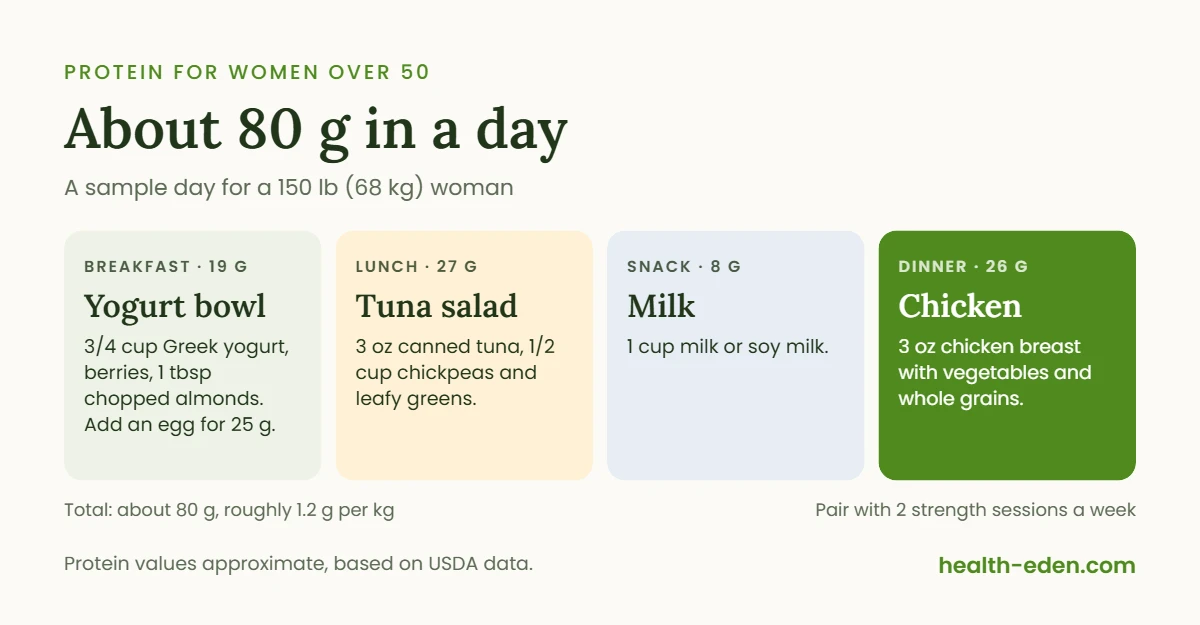
Here is a sample day for a 150 lb (68 kg) woman aiming for the top of her 68 to 82 g range.
| Meal | Food | Approximate protein |
|---|---|---|
| Breakfast | 3/4 cup Greek yogurt with berries and 1 tbsp chopped almonds | 19 g |
| Lunch | Salad with 3 oz canned tuna, 1/2 cup chickpeas and leafy greens | 27 g |
| Snack | 1 cup milk or soy milk | 8 g |
| Dinner | 3 oz chicken breast with vegetables and whole grains | 26 g |
| Total | About 80 g |
That works out to roughly 1.2 g per kg. Breakfast falls a little short of 25 g, so adding an egg would bring it closer. You don’t need to hit an exact number each day. Aim for a good source of protein at every meal, and let the weekly average take care of itself.
Planning ahead makes it easier. Our guide to meal prep for weight loss has ideas for batch-cooking protein for the week.
Should you use protein powder?
Protein powder can be a convenient way to top up your intake if you have a small appetite or find it hard to eat enough protein. But it is a supplement, not a necessity.
In October 2025, Consumer Reports tested 23 protein powders and ready-to-drink shakes. More than two-thirds contained more lead in a single serving than Consumer Reports’ level of concern for a whole day. Plant-based powders had the highest levels on average, around nine times those of dairy-based powders. Consumer Reports advised against using protein shakes every day and suggested choosing dairy-based products where possible.
If you use a powder:
- Use it occasionally, not as your main source of protein.
- Prefer dairy-based powders (whey or casein) if you can tolerate dairy.
- Check for third-party testing, such as NSF Certified for Sport or Informed Choice, which test for banned substances and some contaminants.
- Watch the sugar. Harvard Health Publishing notes that some powders contain up to 23 g of sugar per scoop.
If you are thinking about shakes for weight management, see our honest look at meal replacement shakes for weight loss.
Honest pros and cons of eating more protein
| Pros | Cons |
|---|---|
| Helps preserve muscle, especially with strength training | Can cost more, particularly fish and meat |
| Keeps you fuller for longer | Some high-protein processed foods are high in salt or sugar |
| Easy to add through everyday foods | Not suitable for everyone with kidney disease |
| Supports recovery after exercise | Protein powders may contain contaminants such as lead |
Who should be careful
- Kidney disease: UTMB notes that moderately higher protein intake doesn’t appear to harm kidney function in healthy adults, but people with advanced chronic kidney disease often need lower, individualized targets. Talk to your doctor or a renal dietitian first.
- Liver disease or other serious illness: ask your care team what is right for you.
- Digestive issues: increase protein gradually, and drink enough fluid.
- Food allergies or intolerances: choose protein sources that suit you, such as lactose-free dairy or plant-based options.
- Weight-loss medicines: if you take a GLP-1 medicine for weight loss, ask your prescriber or a dietitian about protein and strength training to help protect muscle.
When to see a doctor
See a doctor or registered dietitian if:
- you are losing weight without trying, or your appetite has dropped
- you feel weaker, find stairs or getting up from a chair harder, or have had a fall
- you have kidney disease, diabetes or another long-term condition and want to change your diet
- you are following a restrictive diet and aren’t sure you are getting enough protein
- you are considering protein supplements alongside other medicines
Frequently asked questions
How much protein does a woman over 50 need per day?
Experts recommend about 1.0 to 1.2 g of protein per kg of body weight a day for adults over 65, and adults over 50 may also benefit from modestly higher intake. For a 150 lb (68 kg) woman, that is about 68 to 82 g a day.
Is 100 grams of protein a day too much for a woman over 50?
For a larger or very active woman, 100 g may fit within the 1.0 to 1.2 g/kg range. Moderately higher intakes don’t appear to harm healthy kidneys, but check with your doctor if you have kidney disease.
How much protein should I eat at each meal?
Around 25 to 30 g per meal can help maximize muscle building, especially in older adults. Spreading protein across breakfast, lunch and dinner is better than eating most of it at one meal.
What is the best protein powder for women over 50?
If you use one, a third-party tested, dairy-based powder (whey or casein) with little added sugar is a sensible choice. Consumer Reports found plant-based powders had the most lead on average, and advised against daily use of any shake.
Can I get enough protein without meat?
Yes. Eggs, dairy, fish, beans, lentils, tofu, tempeh, soy milk, nuts and seeds can all help you reach your target. Eating a variety helps make sure you get all the amino acids you need.
Does protein help with weight loss after 50?
Protein keeps you fuller for longer and helps preserve muscle while you lose weight, especially with strength training. It works best as part of an overall balanced diet.
The bottom line
After 50, many women may benefit from more protein than the standard RDA: around 1.0 to 1.2 g per kg of body weight a day, spread across meals at about 25 to 30 g each. Food should do most of the work, with protein powder used occasionally if at all. Pair it with regular strength training, and talk to your doctor if you have kidney disease or another health condition. For more on eating well for the long term, see our guide to sustainable weight loss nutrition, and for the bigger picture, read how to age well.
Sources
- University of Texas Medical Branch. How much protein do you really need each day?. 2026.
- Harvard Health Publishing. Muscle loss and protein needs in older adults. 2024.
- Collins BC, Laakkonen EK, Lowe DA. Aging of the musculoskeletal system: How the loss of estrogen impacts muscle strength. Bone. 2019.
- Bauer J, et al. Evidence-based recommendations for optimal dietary protein intake in older people (PROT-AGE). J Am Med Dir Assoc. 2013.
- OPB (NPR). A study found lead in popular protein powders. Here’s why you shouldn’t panic. 2025.
Information checked as of November 2026. Read how we research and update articles in our editorial policy.
This article is for general information and isn’t a substitute for personal medical advice. Talk to your doctor or a registered dietitian before making big changes to your diet or starting a supplement. See our full medical disclaimer.

I'm Noah Orono, founder and editor of Health Eden. I write about skincare and healthy aging, strength and weight management, and women's health from your 30s into midlife and beyond. Every guide starts with published research and guidance from dermatologists, doctors and certified trainers, then turns it into clear, practical steps. I'm not a medical professional, so I'll always tell you when something is worth raising with your doctor.
More about Health Eden →