Self-Care for Busy Women: 12 Small Habits That Make a Real Difference
 admin
Weight stigma and narrow beauty standards affect how many of us feel about our bodies, and that can take a real toll on self-esteem and well-being. This article looks at what weight stigma is, why focusing on health rather than size matters, and practical ways to build a more positive relationship with your body.
What is weight stigma?
Weight stigma is negative judgment and discrimination based on a person’s body size. It shows up in media, workplaces and even healthcare, and it can lead to shame, low self-esteem, avoiding medical care and unhealthy eating patterns. Your worth is not determined by your size or appearance.
Challenging narrow beauty standards
For decades, advertising and fashion promoted a single ideal body that very few people naturally have. That is changing: more brands now feature a range of body sizes, ages, skin tones and abilities. You can support the shift by buying from companies that show diverse bodies, following accounts that make you feel good rather than inadequate, and speaking up about the value of body diversity.
Health is about more than weight
Weight is only one factor in health. Genetics, sleep, stress, activity levels, nutrition and access to healthcare all play a part. A weight-neutral approach, sometimes called Health at Every Size, focuses on behaviors that support well-being, such as:
- Eating intuitively: listening to hunger and fullness cues and enjoying food without strict rules or guilt.
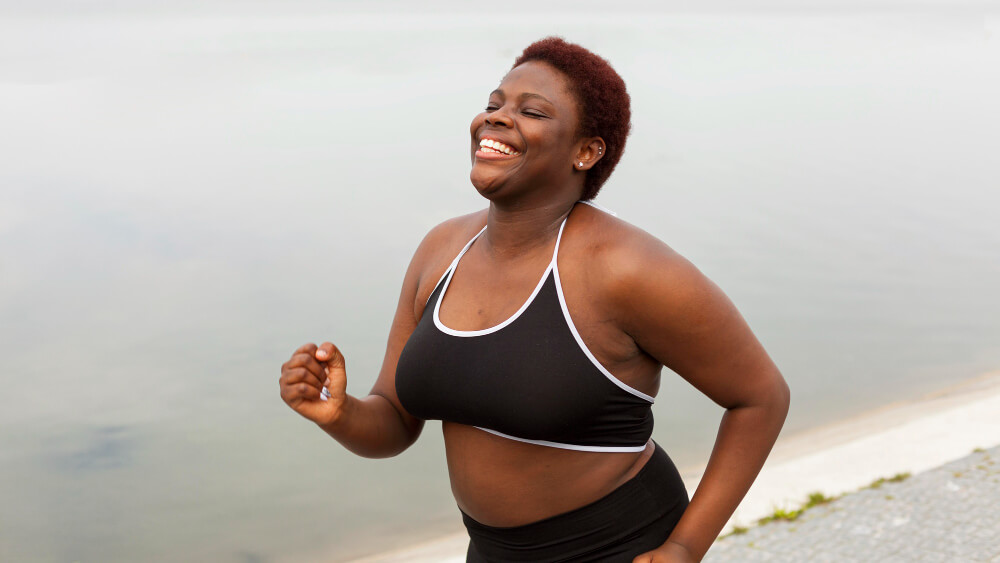
- Moving for enjoyment: choosing activities you like for strength, flexibility, heart health and mood, not as punishment.
- Caring for mental health: rest, connection and professional support when needed.
This approach is not about ignoring health concerns. It is about compassionate, respectful care for every body. Everyone deserves quality healthcare regardless of size. If weight-related health issues matter to you, it is entirely valid to pursue weight loss for your health. Body acceptance and healthy change can go together.
Practical ways to build a positive body image
- Practice self-care: nourishing meals, joyful movement and enough sleep.
- Appreciate what your body does: shift your focus from how it looks to what it lets you do, from walking and lifting to hugging the people you love.
- Challenge negative self-talk: notice critical thoughts about your body and reframe them. Ask whether you would say the same thing to a friend.
- Curate your media: mute or unfollow accounts that leave you comparing yourself, and seek out content that reflects real bodies.
- Surround yourself with support: spend time with people who value you for who you are.
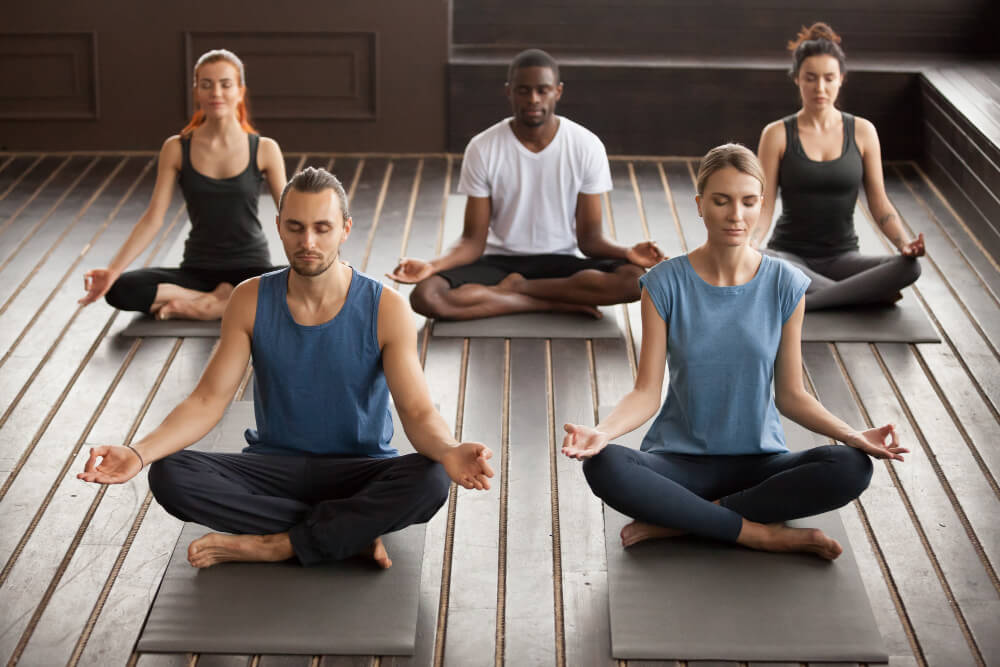
- Do things that build confidence: yoga, journaling, hobbies or creative projects that remind you of your strengths.
- Wear clothes that fit and feel good now, rather than waiting for a future size.
When to seek help
If thoughts about your body or food take up a lot of your time, affect your mood or lead to restrictive eating or bingeing, talk to your doctor or a mental health professional. Support is available, and you don’t have to work through it alone.
The bottom line
Building a positive body image is an ongoing process that takes patience and self-compassion. By challenging stigma, focusing on health-supporting habits rather than a number, and treating your body with respect, you can build a kinder, more confident relationship with yourself.