Self-Care for Busy Women: 12 Small Habits That Make a Real Difference
 admin
The ketogenic, or keto, diet is a very low-carb, high-fat way of eating that many people use for weight loss. This guide covers how it works, what to eat, how to stay well nourished, and how to stick with it when you eat out or travel.
How the keto diet works
Keto cuts carbohydrates sharply and replaces them mainly with fat. With very little carbohydrate available, the body shifts from using glucose as its main fuel to burning fat and producing ketones, a state called ketosis. Many people find keto meals filling, which can make it easier to eat fewer calories overall.
Getting into ketosis
Most people need to keep carbohydrates to roughly 20–50 grams a day. That means cutting back on grains, bread, pasta, rice, starchy vegetables, most fruit and sugary foods and drinks. A typical split is about 70–75% of calories from fat, 20–25% from protein and 5–10% from carbohydrates. A tracking app makes it much easier to see where your carbs are coming from, especially in the first few weeks.
What to eat on keto
- Healthy fats: avocado, olive oil, nuts, seeds and oily fish such as salmon and sardines.
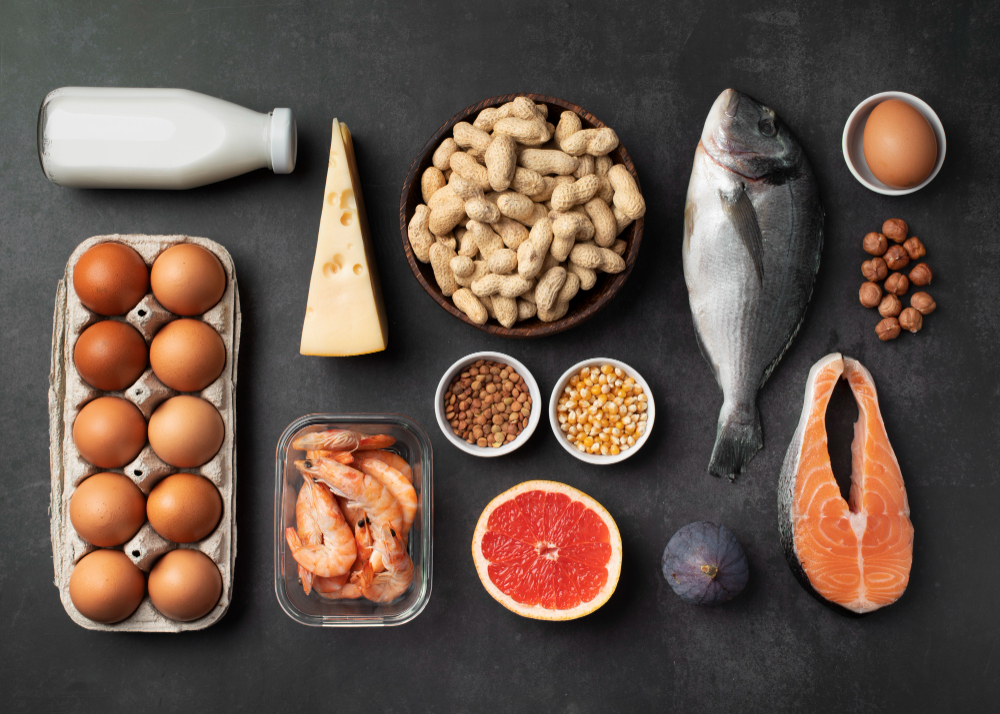
- Protein in moderate amounts: poultry, eggs, fish, meat and full-fat dairy such as cheese and plain yogurt.
- Low-carb vegetables: leafy greens, broccoli, cauliflower, zucchini, asparagus and peppers.
Staying well nourished on a low-carb diet
Cutting out whole food groups makes it easier to miss key nutrients, so build your plate around nutrient-dense foods:
- Leafy greens such as spinach and kale provide vitamins A, C and K.
- Oily fish supplies omega-3 fats plus selenium and zinc.
- Eggs offer protein, vitamin B12 and choline.
- Fiber: low-carb diets can be low in fiber. Eat plenty of non-starchy vegetables such as broccoli, cauliflower and Brussels sprouts, and add chia or ground flaxseed.
Some people may benefit from supplements such as vitamin D, magnesium or omega-3s. Ask your doctor or a registered dietitian before starting any.
The “keto flu” and how to ease it
In the first days, some people feel tired, headachy, irritable or have digestive changes as their body adapts. This usually passes within a few days to a week. Drinking plenty of water, getting enough electrolytes (sodium, potassium and magnesium) and reducing carbs gradually rather than overnight can help.
Eating out on keto
- Scan for simple dishes: grilled meat or fish, salads and vegetable sides. Avoid breaded, battered and pasta or rice-based dishes.
- Ask for swaps: most restaurants will replace fries with vegetables or a side salad.
- Watch for hidden carbs: sauces, dressings and marinades often contain sugar or starch, so ask for them on the side.
- Easy swaps: burgers in a lettuce wrap or eaten without the bun, fajitas without tortillas, and taco salad without the shell.
Traveling and social events
- Look up restaurants near where you are staying before you go.
- At hotel breakfasts, choose eggs, meat and a small portion of berries over pastries and cereal.
- Eat a low-carb snack before parties so you are not arriving hungry, and look for vegetable platters, grilled meats and cheese.
- Offer to bring a keto-friendly dish to share.
Who should check with a doctor first
Talk to your doctor or a registered dietitian before starting keto, especially if you have diabetes, kidney, liver or heart conditions, are pregnant or breastfeeding, or take medication for blood pressure or blood sugar, since doses may need adjusting.
The bottom line
Keto can work for weight loss, but it takes planning and attention to detail. Keep carbs low, choose nutrient-dense whole foods, get enough fiber and fluids, and plan ahead for meals out. Most importantly, choose an approach you can sustain over the long term.